Kwan Q

Work    |    Info

Weeds: A Germinating Theory (2025)


Published by MACK (link)
Silkscreen printed hardcover
12.5 x 18cm, 160 pages

ISBN 978-1-917651-25-7
October 2025


Book launch and conversation with Kelly Ma @Head Hi, NYC, Feb 2026. (link)

Special Book Club @AA Bookshop, London, Feb 2026.(link)


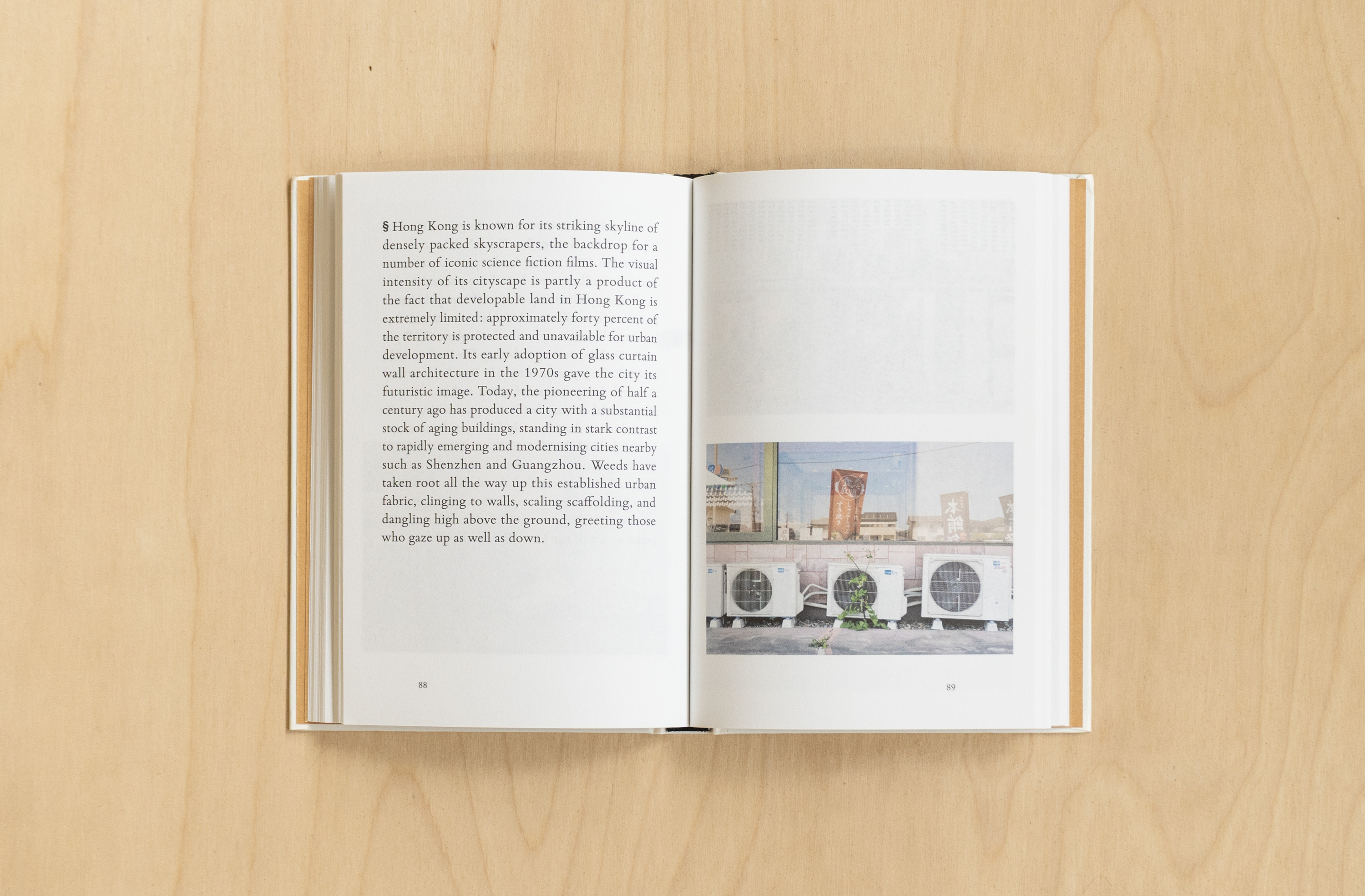
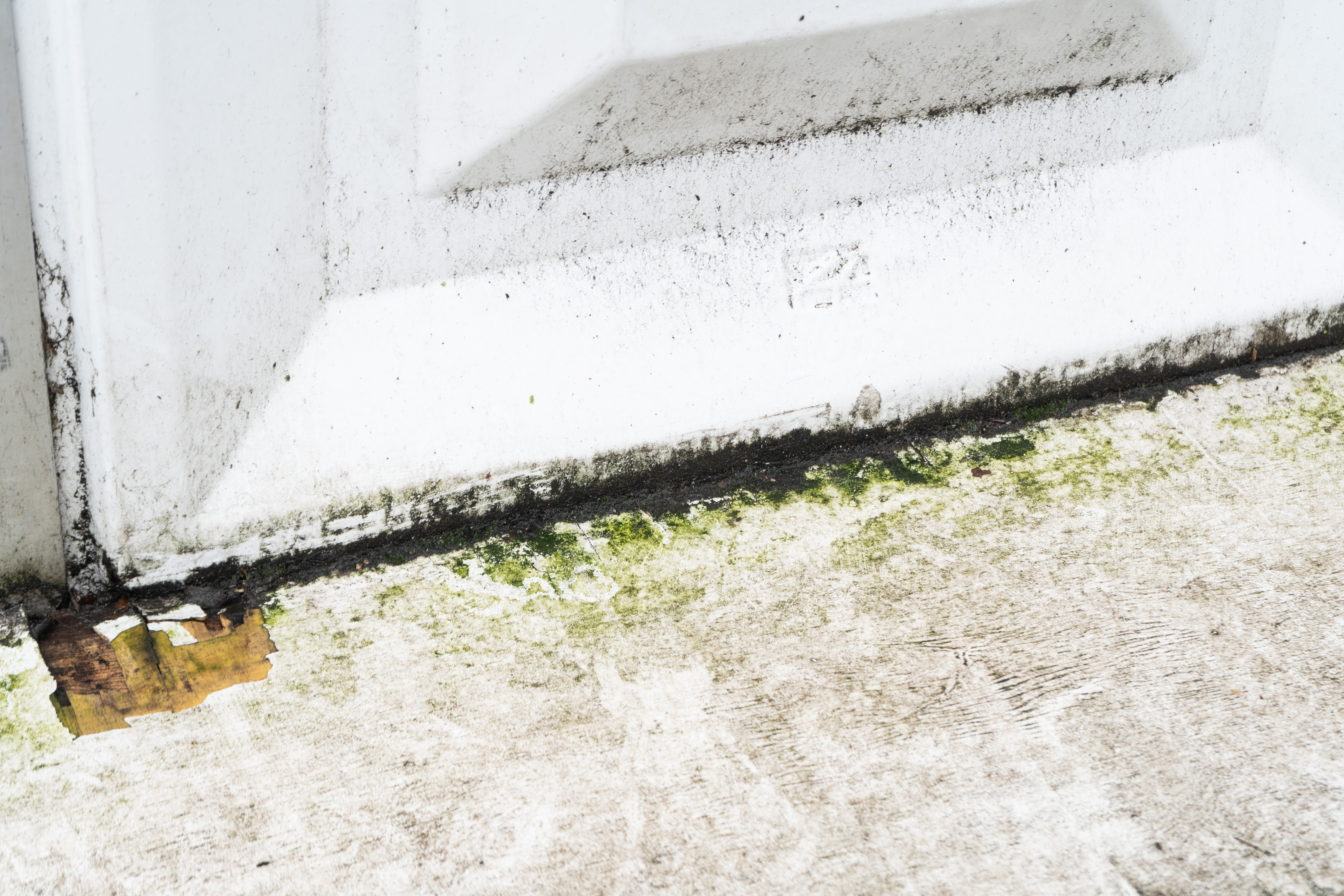
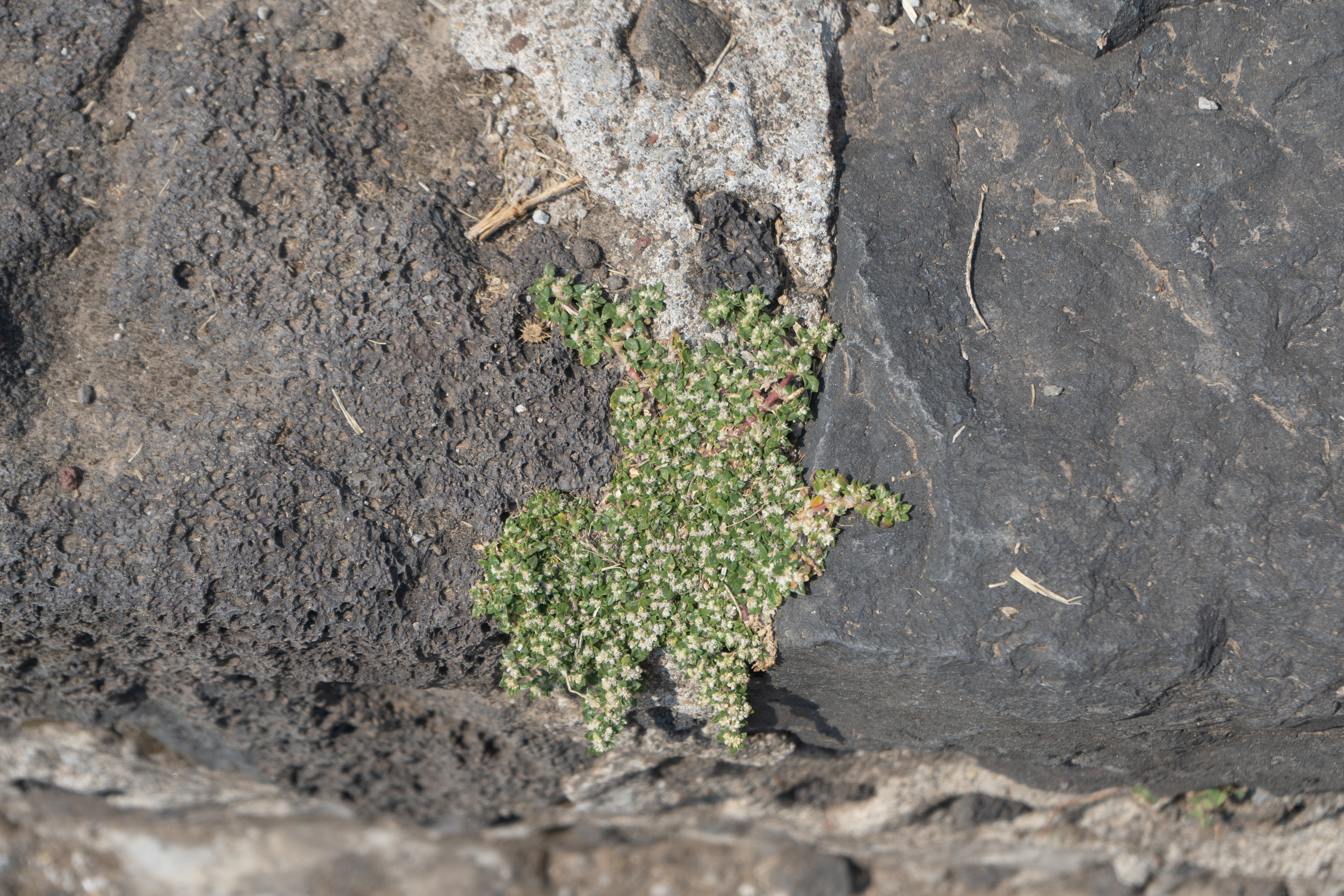
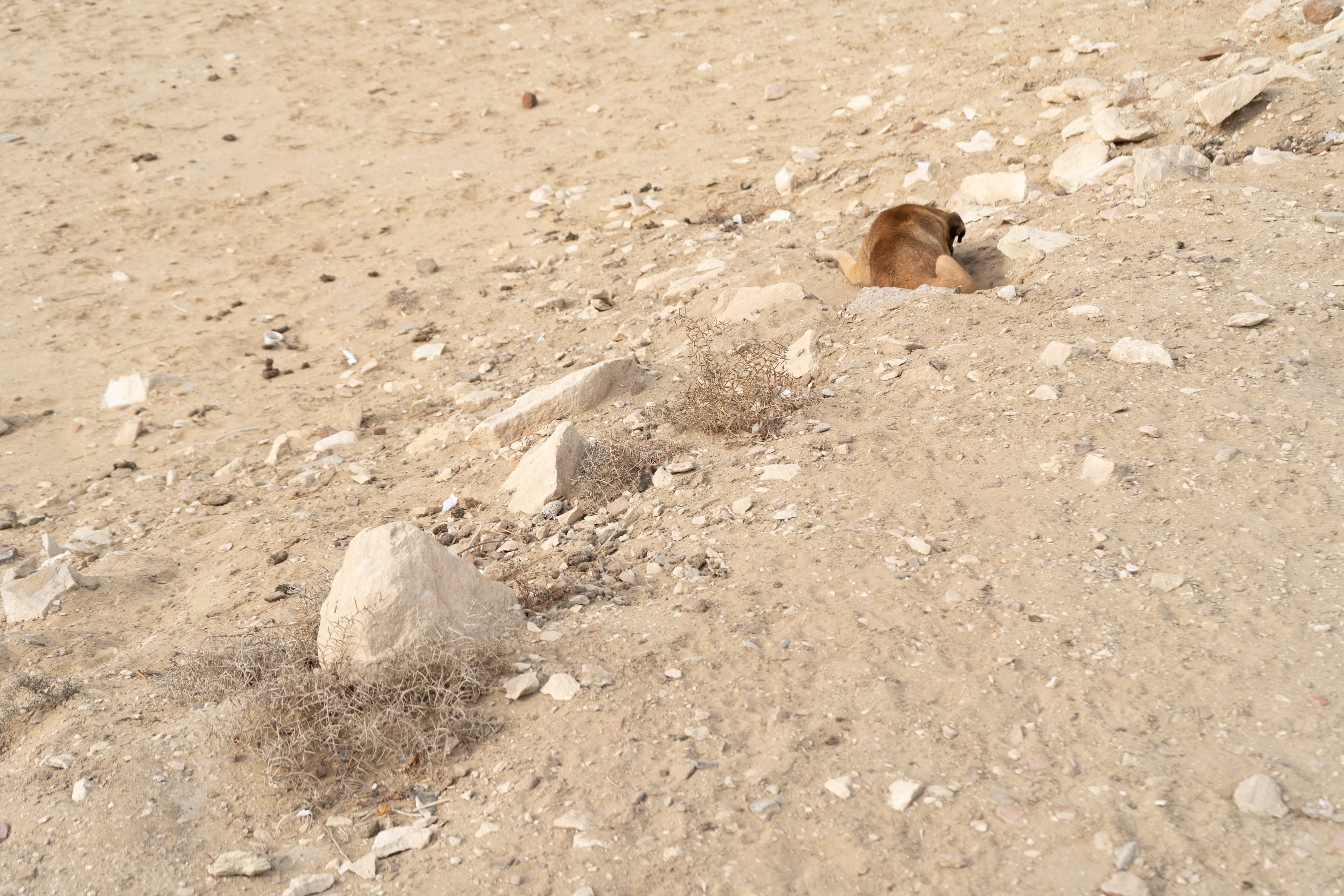
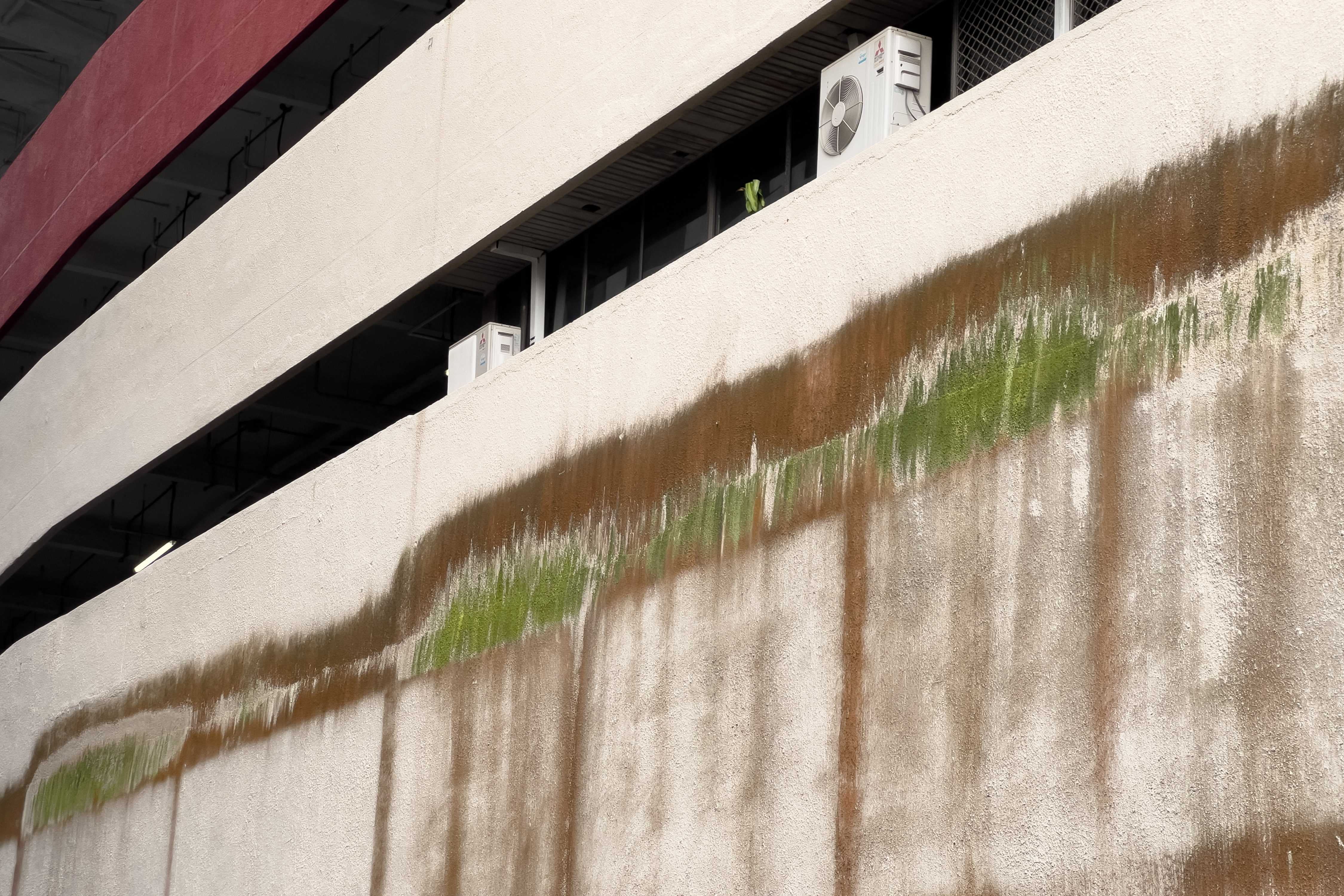
For over a decade, artist and theorist Kwan Queenie Li has been photographing weeds across the world. From Jerusalem to Shanghai, Varanasi to Athens, Cairo to Mexico City, she has trained her attention on these unintended but ubiquitous inhabitants of the contemporary urban sphere, finding them dwelling in corners and cracks, in spaces suspended between uses, in ruins and on construction sites.

This essay in image and text proposes a new view of cities that learns from the weed’s point of view, dissolving familiar categories and temporalities to see cities as evolving and often undefined spaces, replete with opportunity. Weeds organically defy phenomena that are taken for granted as immovable: walls, borders, history, and prescribed identities. They are registers of the real lives of cities – of disuse and neglect, but also freedom and porousness. Out-of-place by definition, they offer a new perspective on the idea of ‘place’ itself, and the ways it shapes and is shaped by its inhabitants.

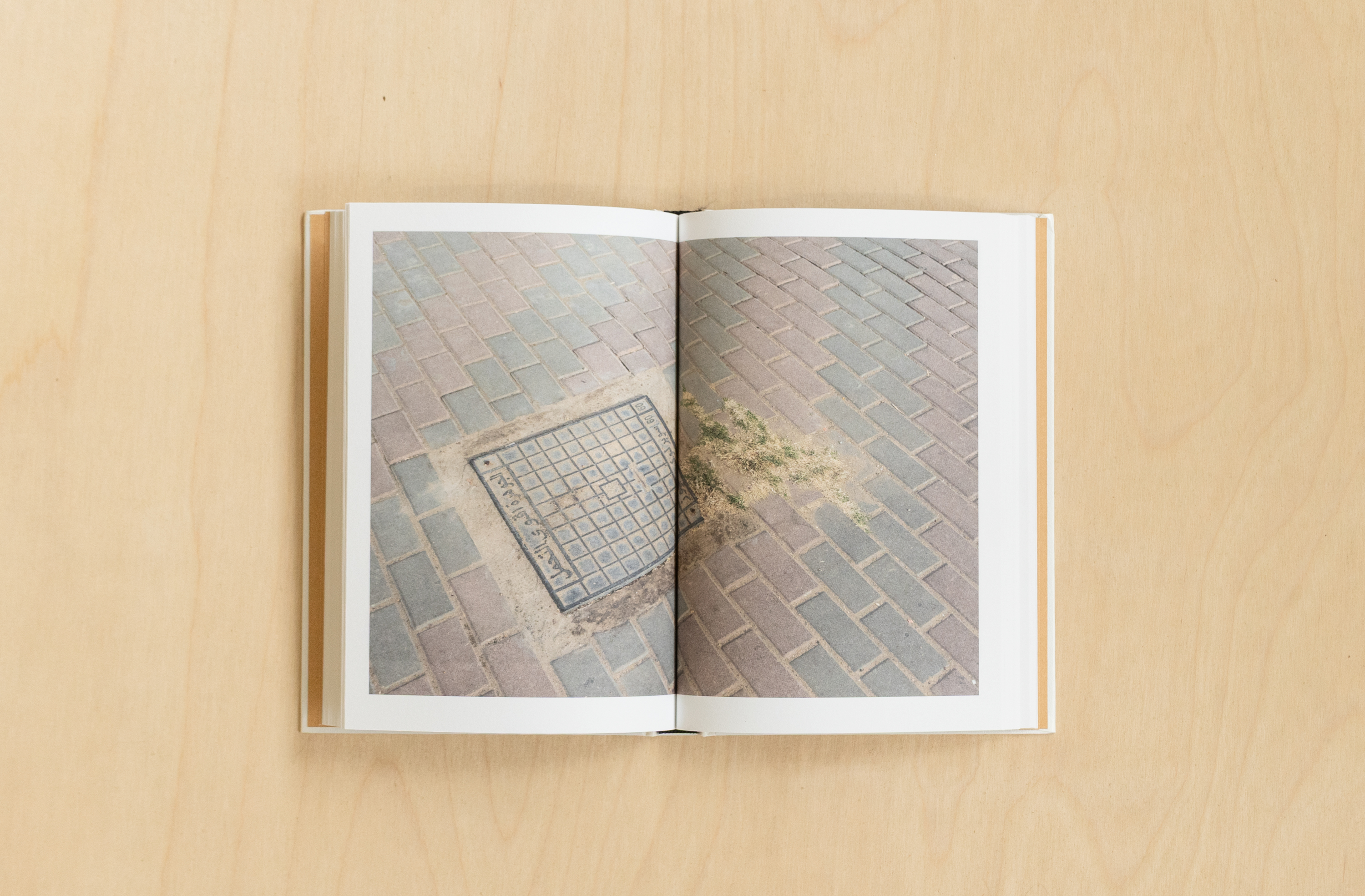
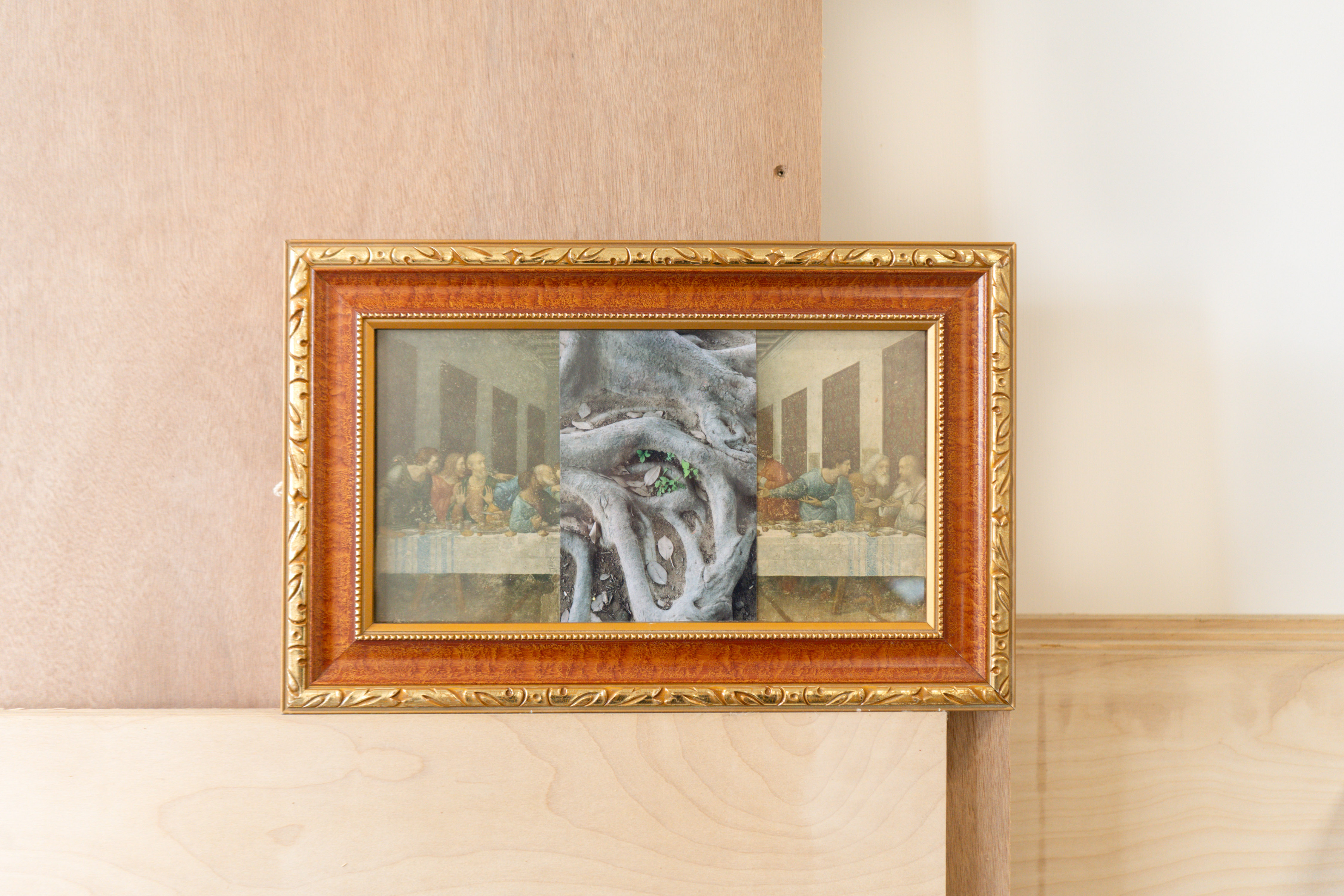
↑ Installation impresssions.  Found frames.


← Selected images → 


Reviewed by Gavin Van Horn, Places Journal


If one purpose of a book is to draw attention to worlds that are ignored or unconsidered, then Weeds: A Germinating Theory is a successful book. Author and visual artist Kwan Queenie Li turns our awareness toward forgotten and disregarded green microcosms. More than mere biological persistence — there are plants in the cracks of the concrete — Li pursues a larger philosophical theme: to transgress, to be “matter out of place” (to use anthropologist Mary Douglas’s famous phrase), is a weed’s role. Weeds mark the edges of order and help us to consider how comfortable, or uncomfortable, we are with porosity.

“Weeds are storytellers,” Li avers, “whispering countless tales of a city’s development.” The brevity of the book belies its scope, for Li’s reflections span the globe, from Shanghai to Cairo to major metropolises in between. In these various contexts, weeds track larger entwinements between cultural impositions and nature’s improvisations.

Some compelling choices are made in Weeds. Li does not offer her personal qualifications or backstory until near the conclusion of the book. This serves, by default, to foreground the reader’s experiences and impressions. Li acts as an unobtrusive guide to tendrilling vines, hardy ferns, and creeping mosses, scrappy city creatures otherwise at risk of being ignored or missed. Text and image are comparably intertwined, with more than 150 photographs scattered through the volume, so that readers may pause and let their eyes search not just left to right but over, across, and around each page, much as one might scan the cityscape when traversing a sidewalk. The images do their own work — convincing, provoking, encouraging one to comb the cracks for tenacious green.

Capital and its movement typically dominate in urban areas, reducing resistance and paving over the inconvenient. Weeds, in this context, become a silent form of protest. These plants, Li writes, “encourage us to see the city not merely as a functional space, but as a set of unplanned opportunities,” and she allows readers to form their own impressions about what these opportunities might be. As lepidopterist Robert Michael Pyle has written, nothing “is less vacant than a vacant lot.” This book amplifies that perspective and fittingly concludes not with a statement but with a comparable question: “Is this a weed?”